If you're new to whisky, the difference between single malt and blended whisky can seem confusing. Both can be complex, beautifully crafted, and enjoyable, but they are made differently.
The simplest distinction is this: single malt whisky is produced at one distillery using only malted barley, while blended whisky combines different whiskies, which may have been made from different grains, to create a particular flavour profile.
But does that make one better than the other? Not necessarily. The real difference lies in how the whisky is made, where its character comes from and what the maker is trying to achieve.
For those looking beyond traditional whisky categories, Paul John Single Malt Whisky offers an interesting example of how ingredients, distillery character and India's tropical climate can shape a modern single malt.
Single Malt vs Blended Whisky: At a Glance
| Single Malt Whisky | Blended Whisky | |
|---|---|---|
| Distillery | Made at one distillery | Can combine whiskies from different distilleries |
| Main ingredient | Malted barley | May combine malt and grain whiskies |
| Character | Often reflects the identity of one distillery | Created by balancing different whiskies |
| Flavour | Can range from fruity and floral to rich, spicy or smoky | Often designed for balance and consistency |
| Production philosophy | Expression of a distillery's craft | Art of combining different whisky components |
The important thing to remember is that “single” refers to the distillery, not the number of casks used. A single malt can contain whisky from several casks, provided it comes from the same distillery and meets the relevant requirements for the category.
What Is Single Malt Whisky?
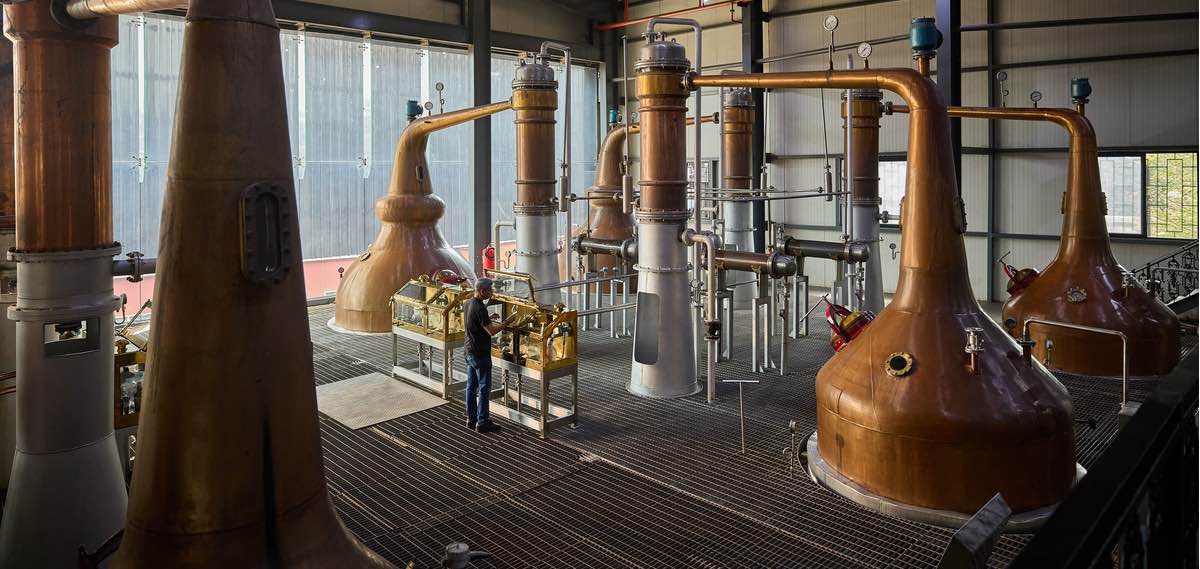
A single malt whisky is made at one distillery using malted barley as its cereal ingredient.
The character of a single malt can be influenced by almost every stage of production, from the barley and water to fermentation, distillation, cask selection and maturation.
This is why single malts from different distilleries can taste completely different, even when they belong to the same broad category.
The term also doesn't mean that the whisky comes from a single barrel. Distilleries can bring together whisky from different casks to achieve the desired character while maintaining the identity of the distillery.
For whisky enthusiasts, this makes single malt particularly interesting: each distillery has its own approach, and the final whisky can reflect its ingredients, production methods and environment.
What Is Blended Whisky?
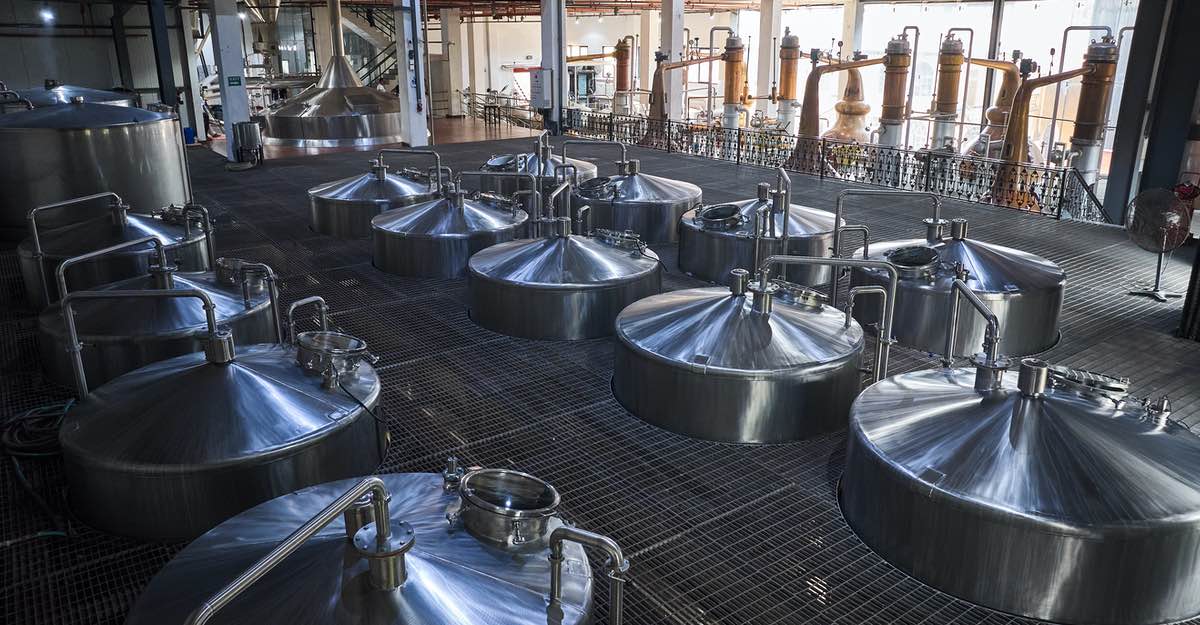
Blended whisky is made by combining different whiskies to create a particular flavour profile.
Depending on the type and regulations of the whisky, a blend may bring together malt whisky and grain whisky, and whiskies from different distilleries may be used.
Blending is a craft in its own right. A blender considers characteristics such as sweetness, spice, fruitiness, oak, smoke, body and finish before bringing different whiskies together.
The objective might be balance, complexity, consistency or a specific house style.
Is blended whisky lower quality than single malt?
No. This is one of the most common misconceptions about whisky.
Single malt and blended whisky represent different approaches to whisky-making. Neither category is automatically better.
A well-made blend can be exceptionally balanced and complex, while a single malt can provide a distinctive expression of one distillery.
Single Malt vs Blended Whisky: 5 Key Differences
1. The ingredients
One of the key differences between single malt and blended whisky lies in the grains used and how the whiskies are combined.
Single malt whisky is made using malted barley. Blended whisky can combine different types of whisky, including malt and grain whisky, depending on the category.
For Indian single malt whisky, the story can become even more interesting because the character of the grain itself can contribute to the final spirit.
Paul John Single Malt Whisky, for example, uses Indian six-row barley, sourced from regions including Rajasthan and northern India.
2. The distillery
The word “single” in single malt is significant. A single malt comes from one distillery.
A blended whisky, on the other hand, can combine whiskies from different distilleries. This enables the blender to bring together different characteristics and create a particular flavour profile.
This is also why single malt is often associated with distillery character.
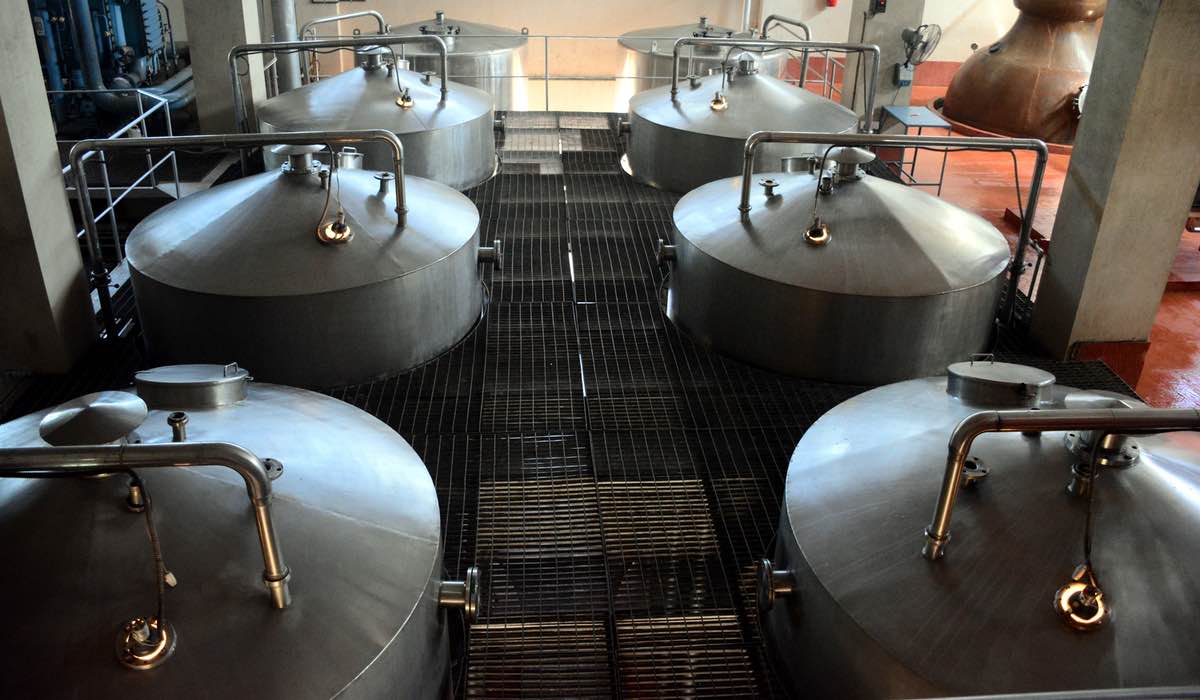
The production choices made at one distillery, from its stills and fermentation to its casks and maturation environment, can become part of the identity of the whisky.
3. Distillation
Distillation helps shape the character of the spirit before it even enters a cask.
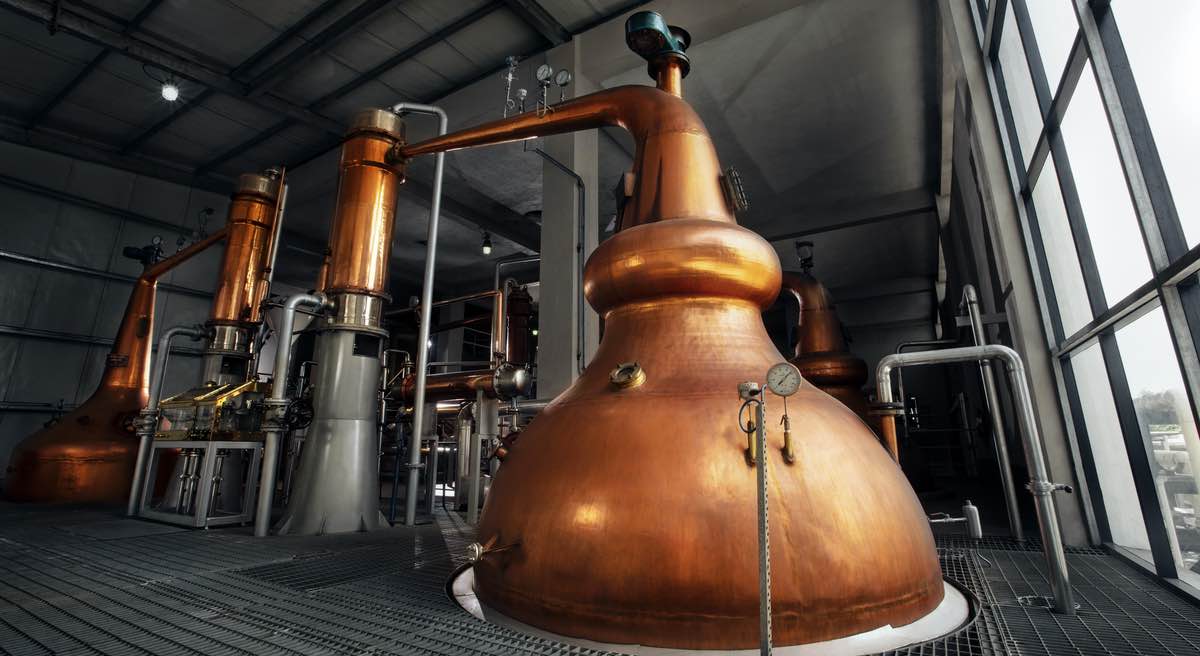
Single malt Scotch, for example, is traditionally produced through batch distillation in copper pot stills.
Different still shapes and sizes can influence the spirit produced, while fermentation and distillation choices can affect characteristics such as richness, fruitiness and texture.
Blended whisky can bring together different whisky styles and distillation methods, depending on the components used.
So while the label tells you the category, the production process helps tell you why the whisky tastes the way it does.
4. Maturation
Once distilled, whisky develops further as it matures in oak casks.
The type of oak, previous contents of the cask, length of maturation, and climate can all influence the final whisky.
This is particularly relevant when looking at Indian single malt whisky.
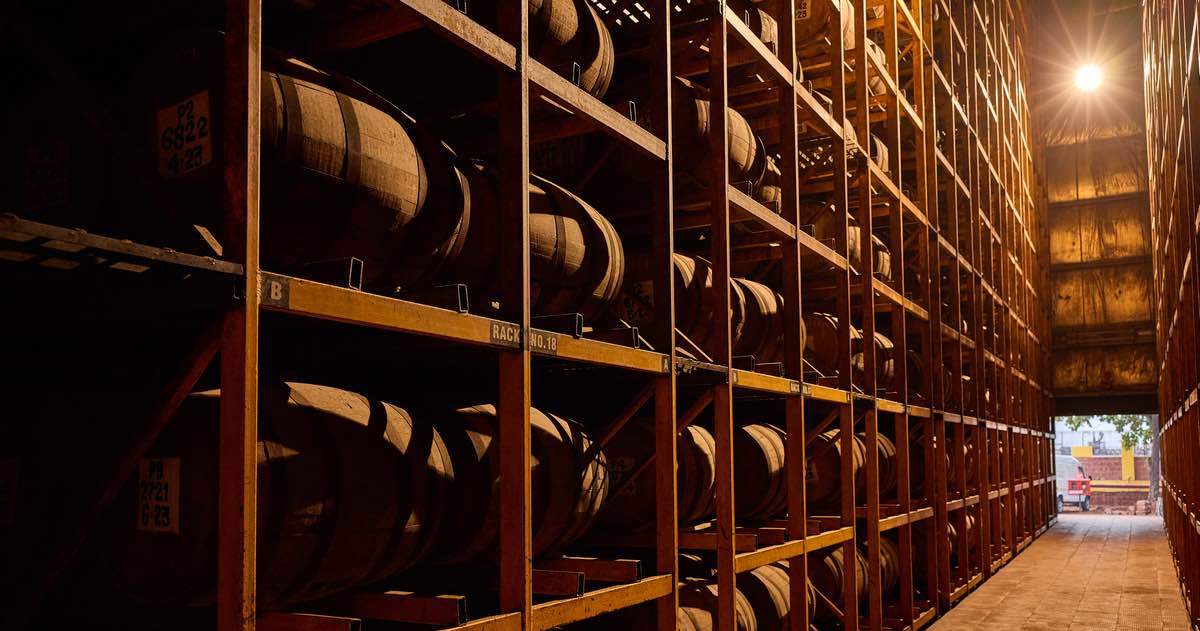
Paul John Whisky matures its whisky in Goa, where the tropical climate creates a very different maturation environment from the cooler climates traditionally associated with Scotch whisky.
The warmer conditions can accelerate the interaction between spirit and oak, while also contributing to a higher angel's share.
In other words, climate becomes part of the whisky's character.
5. Flavour and character
There is no single flavour profile for single malt whisky. Some single malts are light and floral. Others can be fruity, honeyed, rich, spicy or heavily peated.
The same is true of blended whisky, where the blender can combine different whisky components to create a particular balance.
Paul John Whisky illustrates the variety that exists even within the single malt category.
Its portfolio includes expressions ranging from unpeated and approachable styles to richer and peated expressions, allowing drinkers to experience how ingredients, peat and maturation can influence the final spirit.
Is Single Malt Better Than Blended Whisky?
There is no universal answer.
If you enjoy a carefully balanced and consistent flavour profile, blended whisky may be the right choice.
If you want to explore the identity of a particular distillery and understand how ingredients, production and maturation influence whisky, single malt can be particularly rewarding.
And if you want to explore whisky beyond traditional Scotch-producing regions, Indian single malt whisky offers another perspective on what the category can be.
Paul John Whisky is one example, bringing together Indian barley, Goan maturation and single malt craftsmanship.