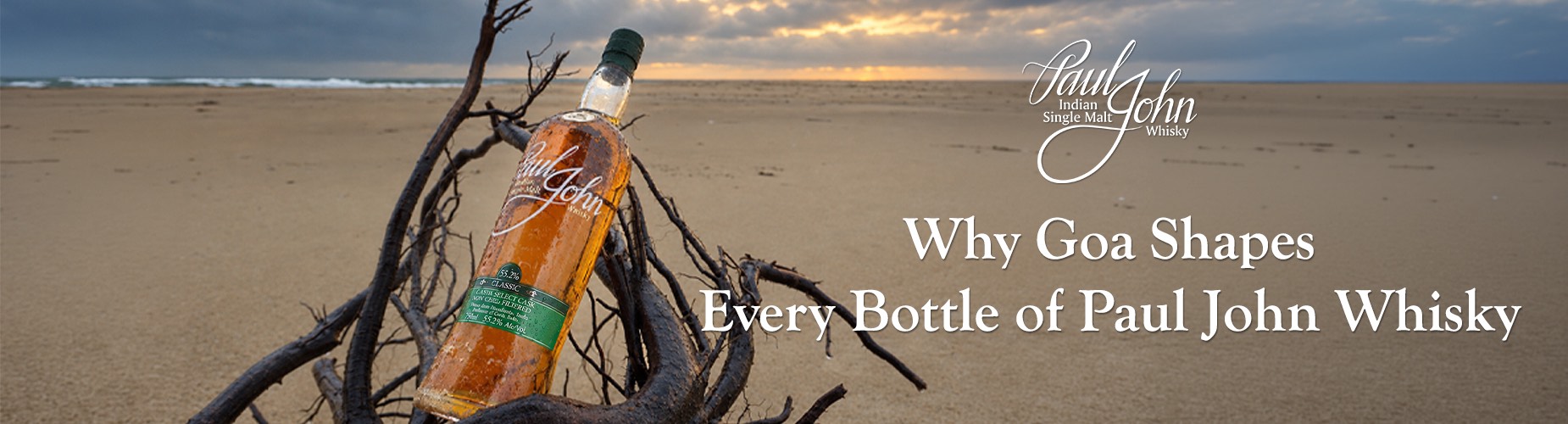
From tropical maturation to Indian six-row barley, discover how Goa's climate, water, and craftsmanship shape The Great Indian Single Malt.
What makes a whisky truly distinctive? Is it the grain, the cask, the distillation process, or the place where it all comes together?
For Paul John Single Malt Whisky, the answer begins in Goa.
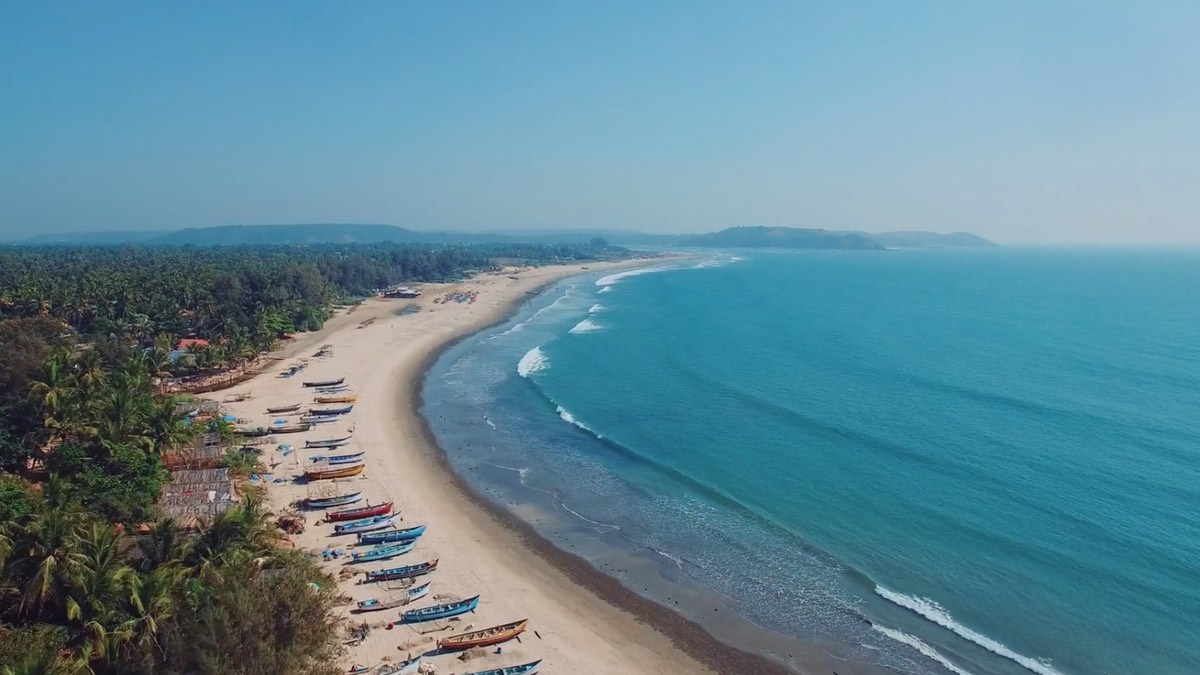
On India's western coast, the tropical climate, water sources, and distillery craftsmanship come together to create a whisky with a character of its own. Paul John Whisky is made at its distillery in Cuncolim, Goa, where the environment plays a meaningful role in its maturation story.
But why Goa? How does a tropical climate influence Indian single malt whisky? And what makes Paul John Whisky different from other whisky brands in India?
The answer lies in a journey that begins with Indian barley and ends in carefully selected oak casks.
1. Why Is Paul John Whisky Made in Goa?
Goa is more than the home of Paul John Whisky. It is an essential part of its production identity.
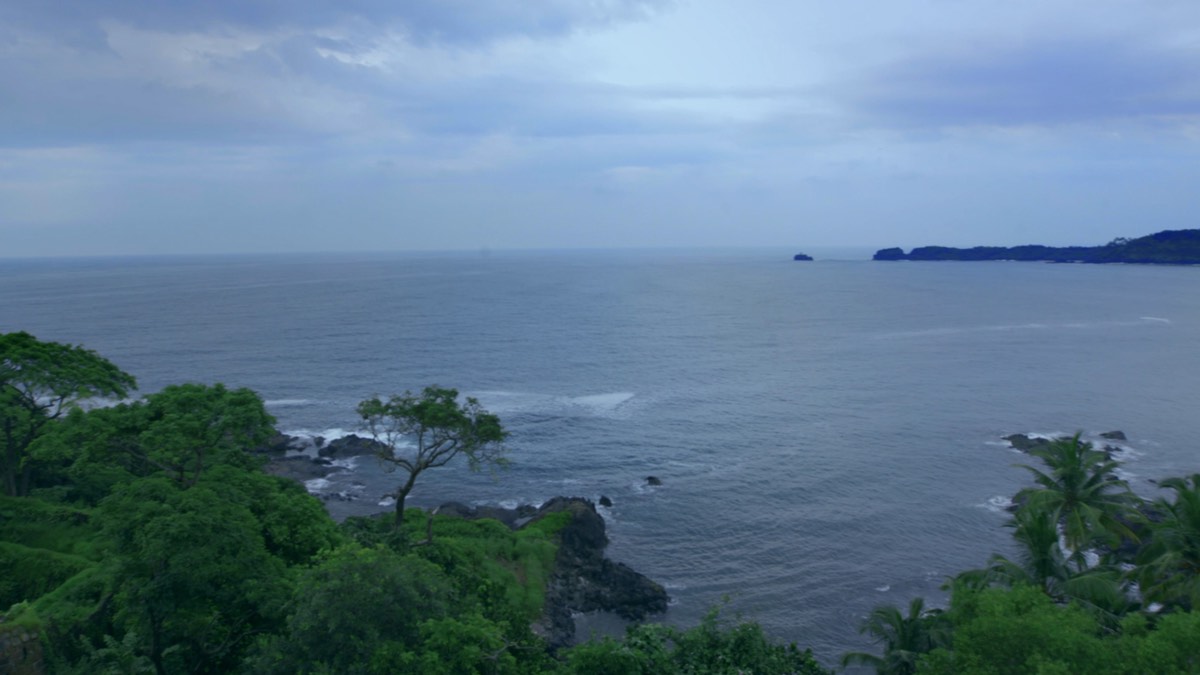
The decision to establish the distillery in Goa was influenced by the region's weather and water quality. Its warm, humid, tropical climate creates a different environment for whisky maturation compared with cooler whisky-producing regions.
For anyone exploring whisky made in Goa or wondering why Goa is important to Paul John Whisky, the answer begins with the interaction between climate, spirit, and oak.
The tropical conditions influence the speed of maturation, while the surrounding environment contributes to the character of the maturing whisky.
This is what makes the story of Goa single malt whisky particularly interesting: the location is not simply a backdrop. It is part of the production process.
2. Tropical Maturation: How Goa's Climate Influences Whisky
One of the defining characteristics of making whisky in Goa is its tropical climate.
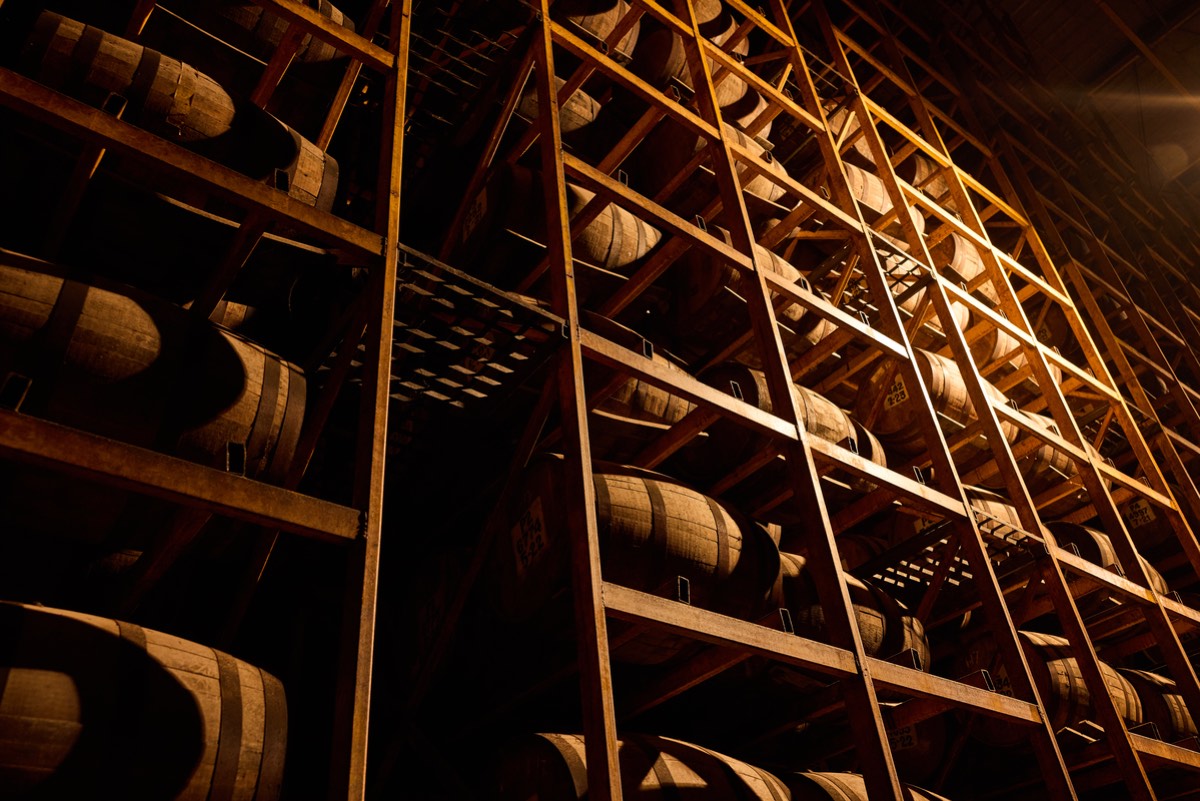
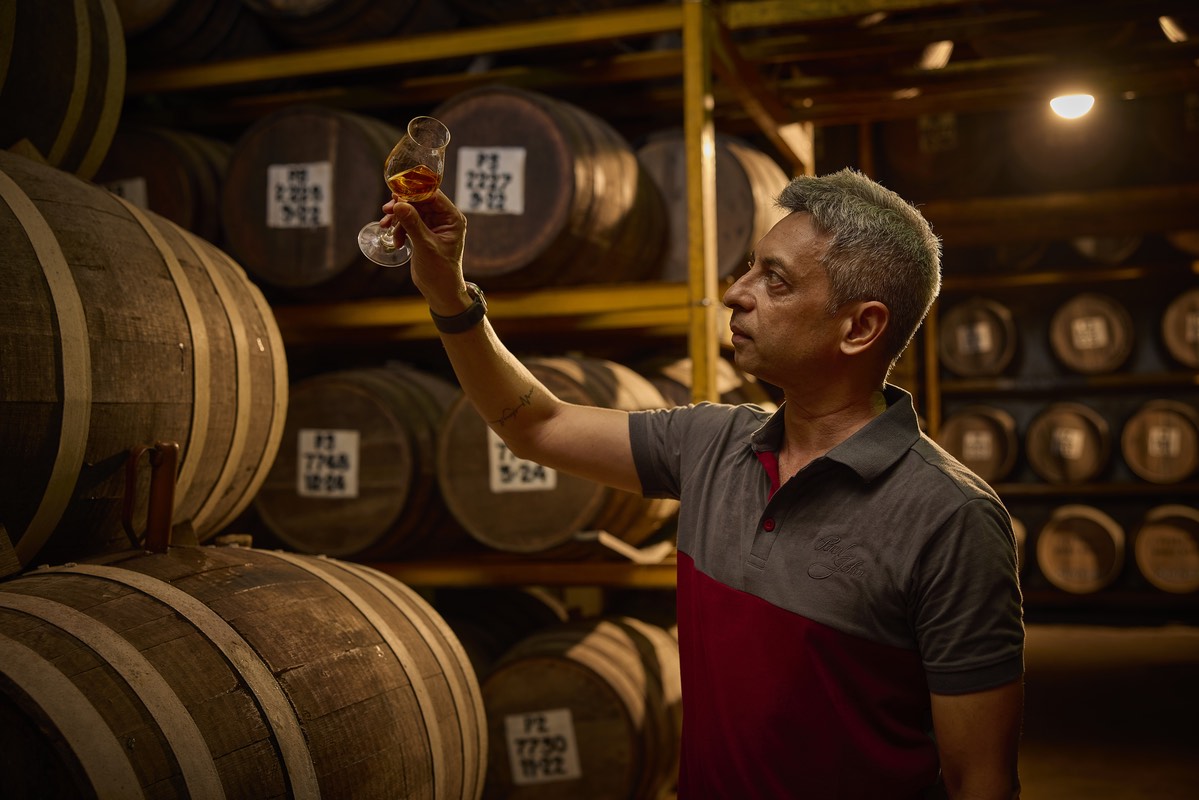
The warm conditions encourage faster interaction between the spirit and the oak cask. Paul John Whisky's official distillery information states that its whisky experiences an angel's share of approximately 8-10% annually, contributing to the pace of maturation.
Tropical whisky maturation is therefore a central part of the Paul John story.
Angel's share refers to the portion of whisky that evaporates from the cask during maturation. In Goa's climate, evaporation and the interaction between oak and spirit present particular challenges for the distiller.
Master Distiller Michael D'Souza has described Goa's tropical conditions as producing higher extraction and a more mineral character, while the brand's whisky continues to mature for at least three years.
The result is a maturation process shaped by the environment rather than an attempt to replicate the conditions of Scotland.
What Makes Tropical Maturation Different?
- Warm, humid climate: Influences the interaction between spirit and oak.
- Higher angel's share: Affects the amount of spirit retained during maturation.
- Cask interaction: Contributes to the development of flavour and character.
- Goan environment: Forms part of the whisky's distinctive production identity.
For whisky enthusiasts searching for whisky aging in a tropical climate, Paul John offers a fascinating example of how geography and craftsmanship intersect.
3. Indian Six-Row Barley: The Foundation of Paul John Whisky
Every great whisky begins with its ingredients.
At Paul John Whisky, one of the defining choices is the use of Indian six-row barley, sourced from northern India, including regions such as Rajasthan, Haryana, Punjab, and areas towards the Himalayan foothills.
Unlike two-row barley, six-row barley is known for its higher protein and fibre content. Paul John's brand story identifies this Indian barley as an important contributor to the spirit's character.
This makes the production journey distinctly Indian, from the barley fields in the north to the tropical maturation warehouses in Goa.
For those searching for Indian barley whisky or wanting to understand how Indian single malt whisky is made, the choice of raw materials provides an important starting point.
The identity of Paul John whisky is built not only on where its whisky matures, but also on the ingredients selected before the spirit ever reaches the cask.
4. Water, the Western Ghats and the Goan Landscape
Water is another fundamental ingredient in the production of whisky.
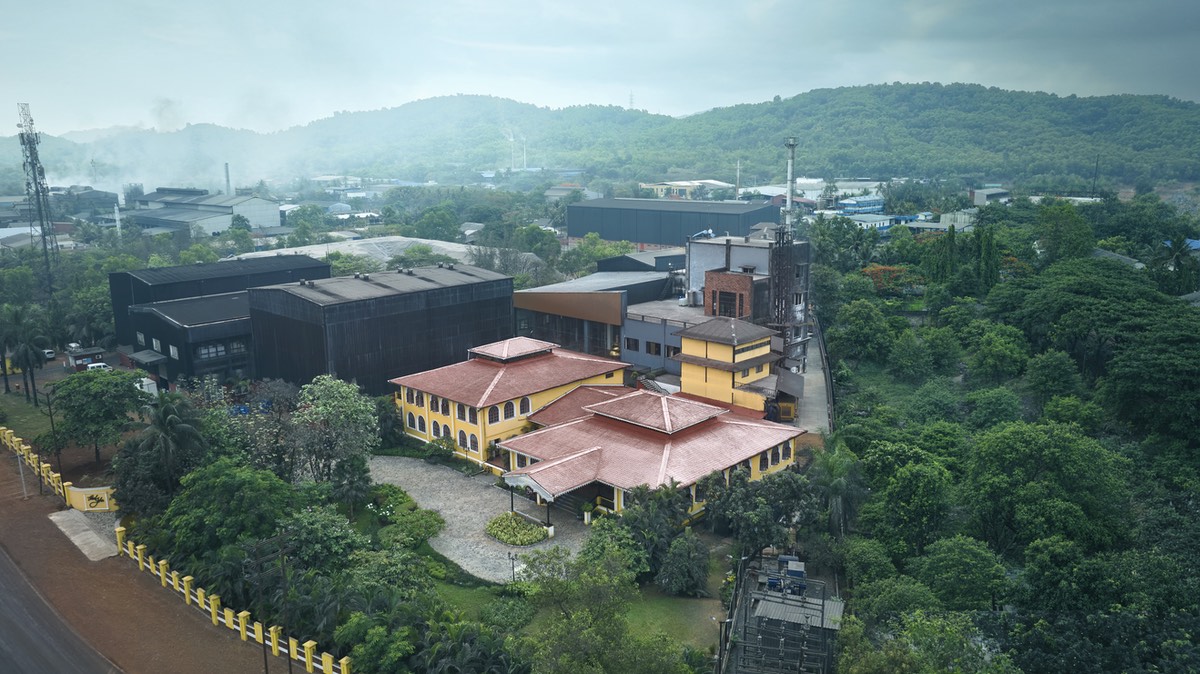
Paul John's distillery uses underground water sources, rain-fed sources and water flowing through the Western Ghats that is naturally filtered through Goan wetlands. The brand describes these sources as providing a balance of minerals.
This connection to the landscape adds another layer to the story of Paul John Whisky from Goa.
While water quality is one part of whisky production, the brand's approach brings together water, barley, yeast, distillation, and maturation to create its single malt expressions.
The journey across India is reflected in the production process: Indian barley, Goan water sources and tropical maturation contribute to a whisky rooted in its place of origin.
5. The Craft Behind The Great Indian Single Malt
The ingredients and climate provide the foundation, but craftsmanship brings the whisky together.
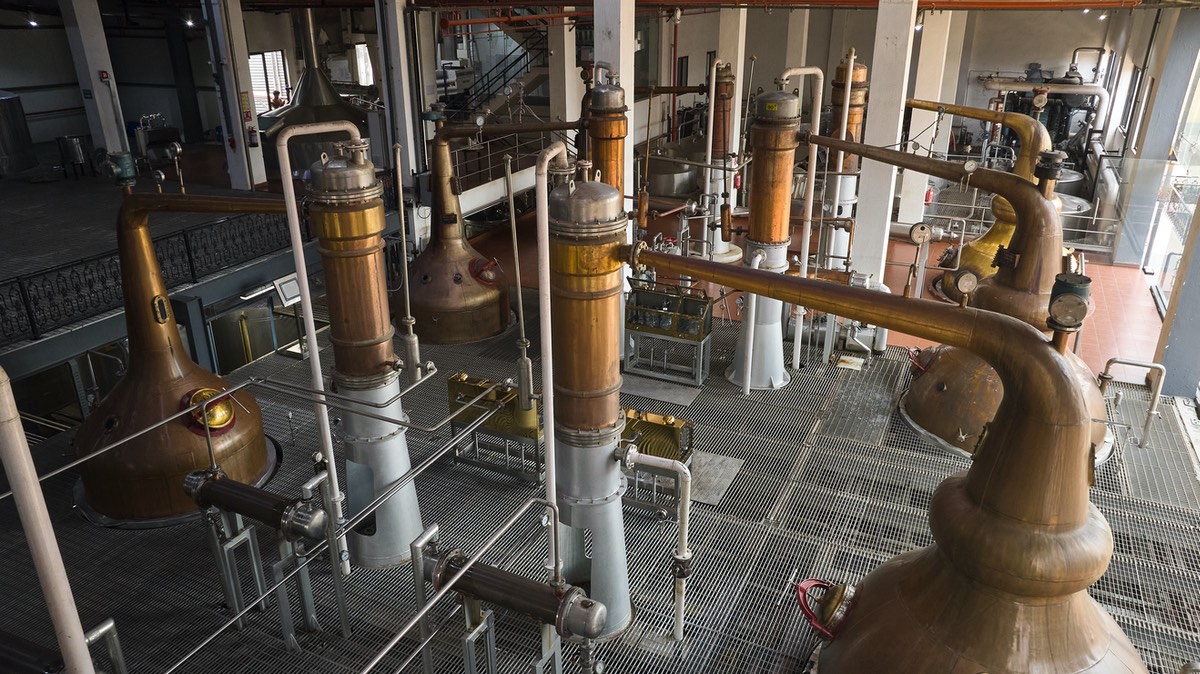
Paul John whisky uses custom-made copper pot stills with long necks, designed to create fruitier spirits. Its whiskies are matured in carefully selected oak casks, including charred American white oak and sherry casks.
The distillation and maturation process helps shape the different expressions within the Paul John Single Malt Whisky range.
The flagship expressions include:
- Paul John Brilliance: A non-peated single malt.
- Paul John Edited: A single malt with a hint of peat.
- Paul John Bold: A strongly peated expression.
- Paul John Nirvana: An unpeated single malt bottled at 40% ABV, positioned as an introduction to single malt whisky.
The portfolio also includes Select Cask expressions such as Classic, Peated, Oloroso, PX, Port and Madeira. These showcase different cask profiles and maturation approaches.
For someone exploring premium Indian whisky or looking to discover the best Indian single malt whisky, understanding the distinctions between expressions can make the experience more rewarding.
6. From Goa to the World: The Spirit of India
Paul John Single Malt Whisky was created with the ambition of producing a world-class Indian whisky rooted in the character of its home. The first Paul John Single Malts were launched in the UK in 2012.
Today, the brand's story centres on the relationship between Indian ingredients, tropical maturation and whisky craftsmanship.
The significance of Goa lies in how these elements come together. The tropical climate shapes maturation, the water forms part of the production story, and Indian barley provides a defining ingredient.
For whisky lovers, the appeal of Indian single malt whisky lies in discovering expressions that reflect their own production environment and craftsmanship.
And for Paul John Whisky, that journey begins in Goa.
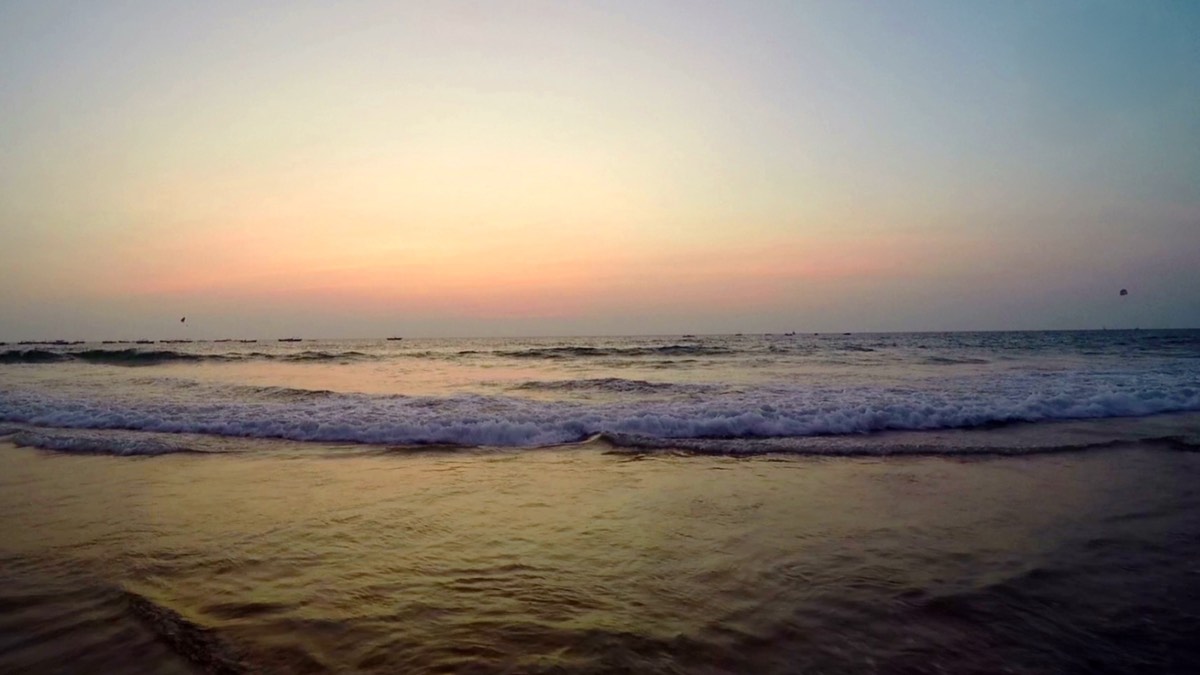
The Spirit of India, Shaped by Goa
A bottle of Paul John Whisky carries more than a single production location. It represents a journey across India's landscapes, from the barley fields of the north to the tropical warehouses of Goa.
The climate, water, ingredients, oak, and craftsmanship all contribute to the whisky's identity.
Goa shapes Paul John Whisky through the environment where its ingredients and craftsmanship meet.
From the distillery in Cuncolim to whisky lovers around the world, Paul John Single Malt invites you to discover the spirit of India, one dram at a time.